
Mid-level employees talk about CCC's public service business, which tackles local issues as citizens
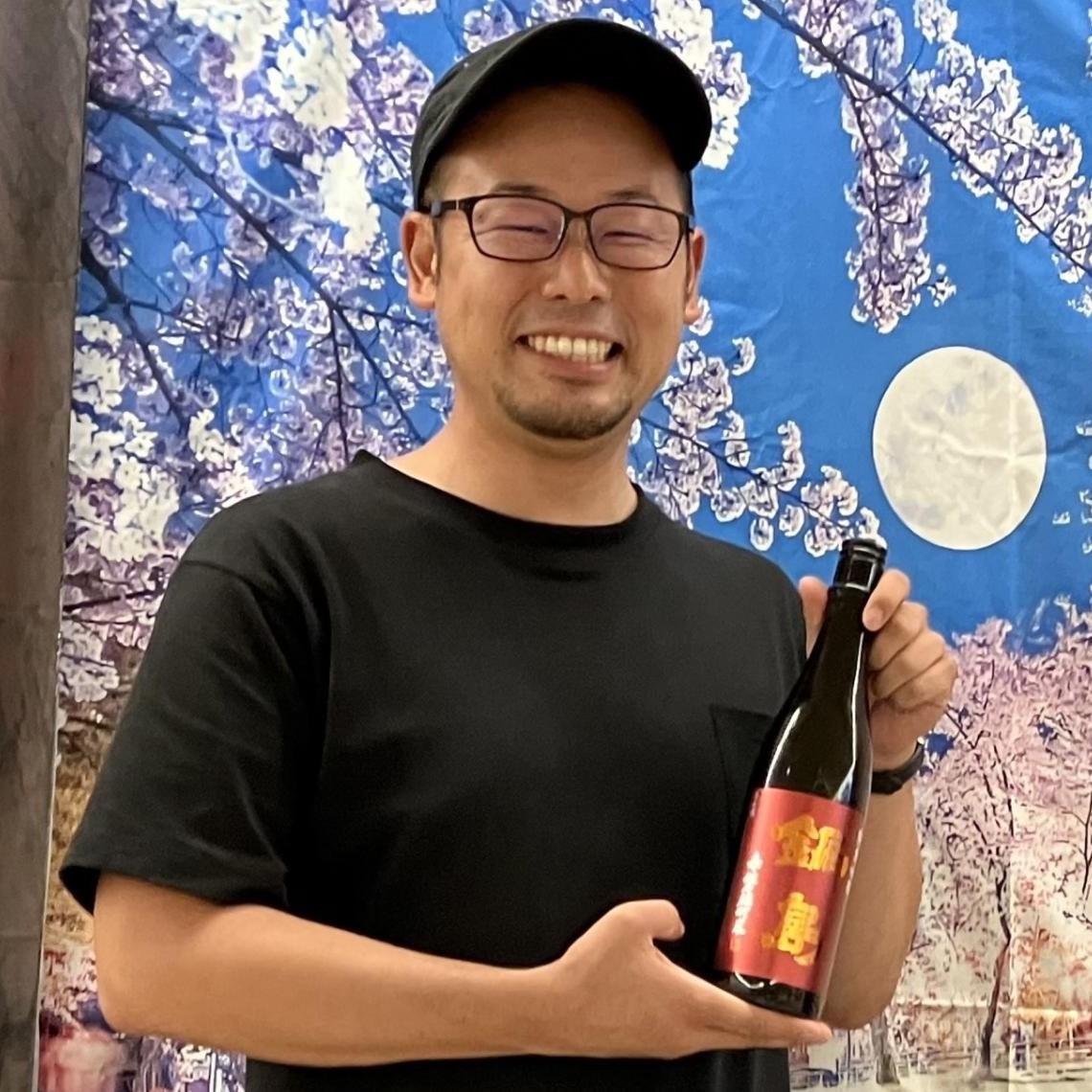
Culture Convenience Club Co., Ltd. Social Design Business Division Cultural Creative Library leader
Akito KumiyaAKITO KUMIYA
At the time of the interview: General Manager of Shunan City Tokuyama Ekimae Library, Public Service Headquarters, Shunan City, Yamaguchi Prefecture.
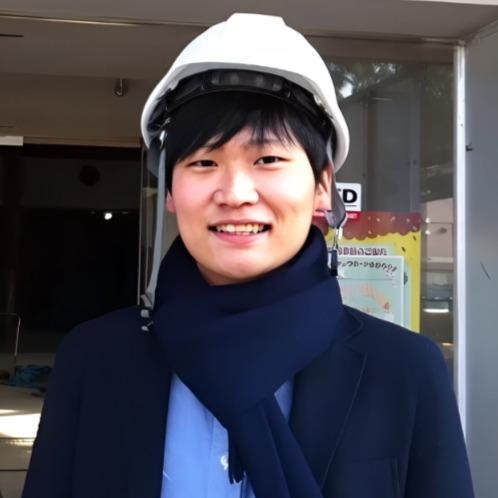
Culture Convenience Club Co., Ltd. Social Design Business Division, West Japan Operations Department Manager
Koki YamamotoKOKI YAMAMOTO
At the time of the interview: Press Design Leader, Planning and Business Promotion Department, Public Service Headquarters.
As a company that creates cultural infrastructure, CCC partners with local governments and businesses nationwide to address regional challenges through public service initiatives.
This time, we spoke to two mid-career employees who have been involved in many of the public service projects our company is involved in across the country, from supporting facility development plans and concept development in the early planning stages to operating facilities after opening and hosting events, to learn more about the characteristics of public service projects, the rewards of doing so, and the strengths unique to CCC.
Reason for joining CCC
-First of all, please tell us what led you both to join CCC!
Kumiya: I was always absorbed in baseball during my school days, so I joined the company as what you would call an athletic person (laughs). My senior colleague was at CCC, and when I thought about what I would find rewarding, I chose CCC, which is an entertainment business, because I have always loved music and was interested in festival productions.
Yamamoto: I majored in architecture at university, and the launch of Daikanyama T-Site happened to coincide with the time I was job hunting. Many famous architects were among the finalists in the competition, and I wanted to take on the challenge of creating a space together with people who are active at the forefront of the architectural and design industries, which is why I applied to CCC.
What are the public service projects undertaken by CCC?
--What is unique about working in the public service business that CCC is involved in?
Kumiya: Under the designated manager system, we operate public facilities by receiving designated management fees from each government and local government. Naturally, this is a job that comes with great responsibility, as although we are a private company, we receive tax money from taxpayers.
Additionally, the government is asking for improvements in public services, so this project will put CCC's planning capabilities to the test.
Yamamoto: In private companies, business growth and ensuring business viability are important, but in public service businesses, the perspective of "for the good of the community" is important. While utilizing CCC's ability to plan facilities such as Tsutaya Bookstore and T-SITE, we are able to take on local issues as our own as citizens, and get involved in the city and work to address local issues. Another major feature is that, because we are a public service business, we are able to participate in businesses that propose services to each region across the country.
--What exactly does "working in the city" involve?
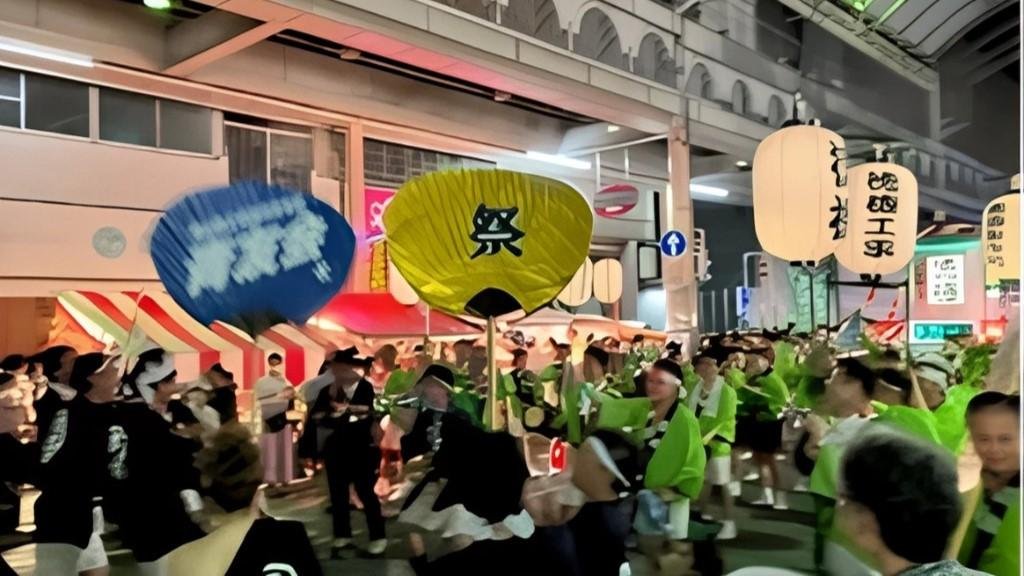
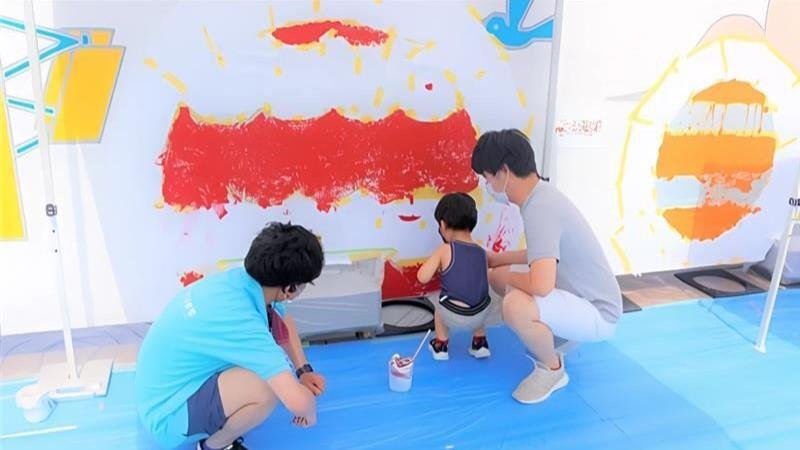
Kumiya: We don't just operate the facility; we actually go out into the city, meet with residents, and think about what the local issues are and how we can solve them every day as we plan and run events. We place importance on improving the facility to make it an even more attractive place for local residents to engage in activities.
Additionally, since the year before last, we have also begun a town management initiative in the areas where we are responsible for designated management operations. We take a problem-solving approach that is different from facility operation. For example, when a local community faces issues such as "we want to liven up a shuttered shopping street" or "we want to attract more people to a festival," CCC participates as a planning company, making planning proposals and providing operational support. We would like to be like a concierge for the entire town, utilizing the resources of the CCC Group to find solutions to local problems.
Yamamoto: In addition, one feature that is not often seen among other companies is that project leaders move to each region from the pre-launch stage and plan projects from the perspective of local residents. In order to carry out the project as a local resident, we will increase the number of people involved by participating in many events over the course of about a year, with the motto of ``100 friends.''By doing so, we are building a foundation of trust that allows people to feel comfortable coming to us for advice even after the opening, saying, "I'm having trouble with this right now."
--What are the specific strengths of CCC's public service business?
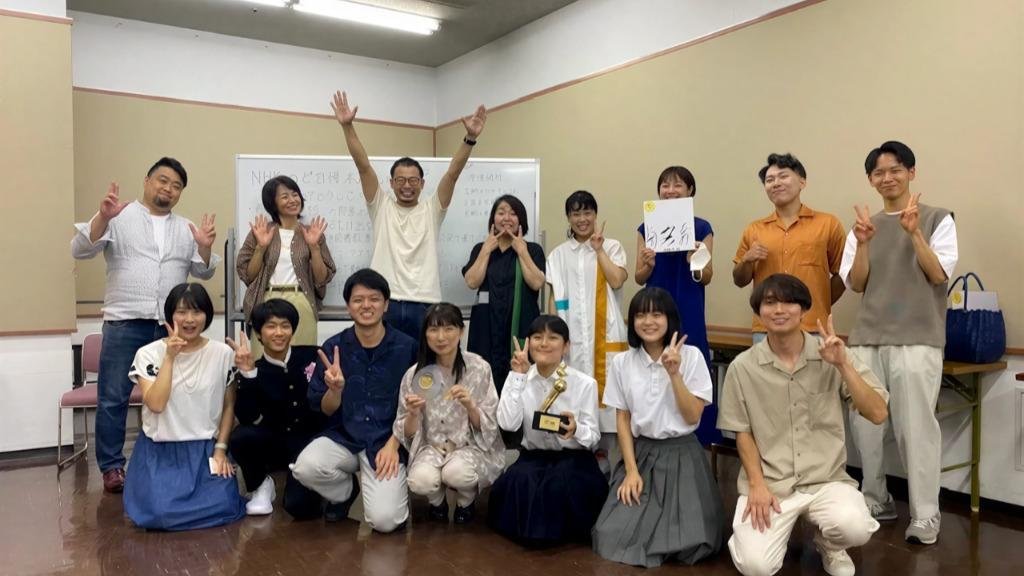
Yamamoto: Currently, I work in a department that is "upstream of planning," and I feel that CCC's strength is that we are involved from the "creation of the space" stage onwards. I also think that a major strength is our ability to utilize the CCC Group's comprehensive capabilities, from marketing to design, to quickly and consistently progress projects.
Kumiya: The addition of a BOOK & CAFE is a basic value that is also a major attraction. In the annual user survey of Shunan City Tokuyama Ekimae Library, more than one in two people answered that their purpose for using the facility was BOOK & CAFE. In particular, in a town facing the challenges of population decline and regional revitalization, the opening of a BOOK & CAFE not only delights residents, but also enhances the appeal of the entire facility and serves as a catalyst for creating a lively atmosphere in the area.
--What are the challenges and rewards of starting up a public service business?
Yamamoto: For the project leading up to the reopening of Takeo City Library, CCC's first public service project, I was the only one to move to the site ahead of time. Since it was my first year, I remember just working frantically (laughs). The schedule was tight and it was mentally and physically demanding, but the fact that the whole town came together to work on it was a great source of encouragement. I still remember the taste of the food we received from the local people at that time.
Also, when a visitor to the facility told me, "It's great for the children to have such an amazing facility in the town where they live," I realized how rewarding it is to "work for someone else."
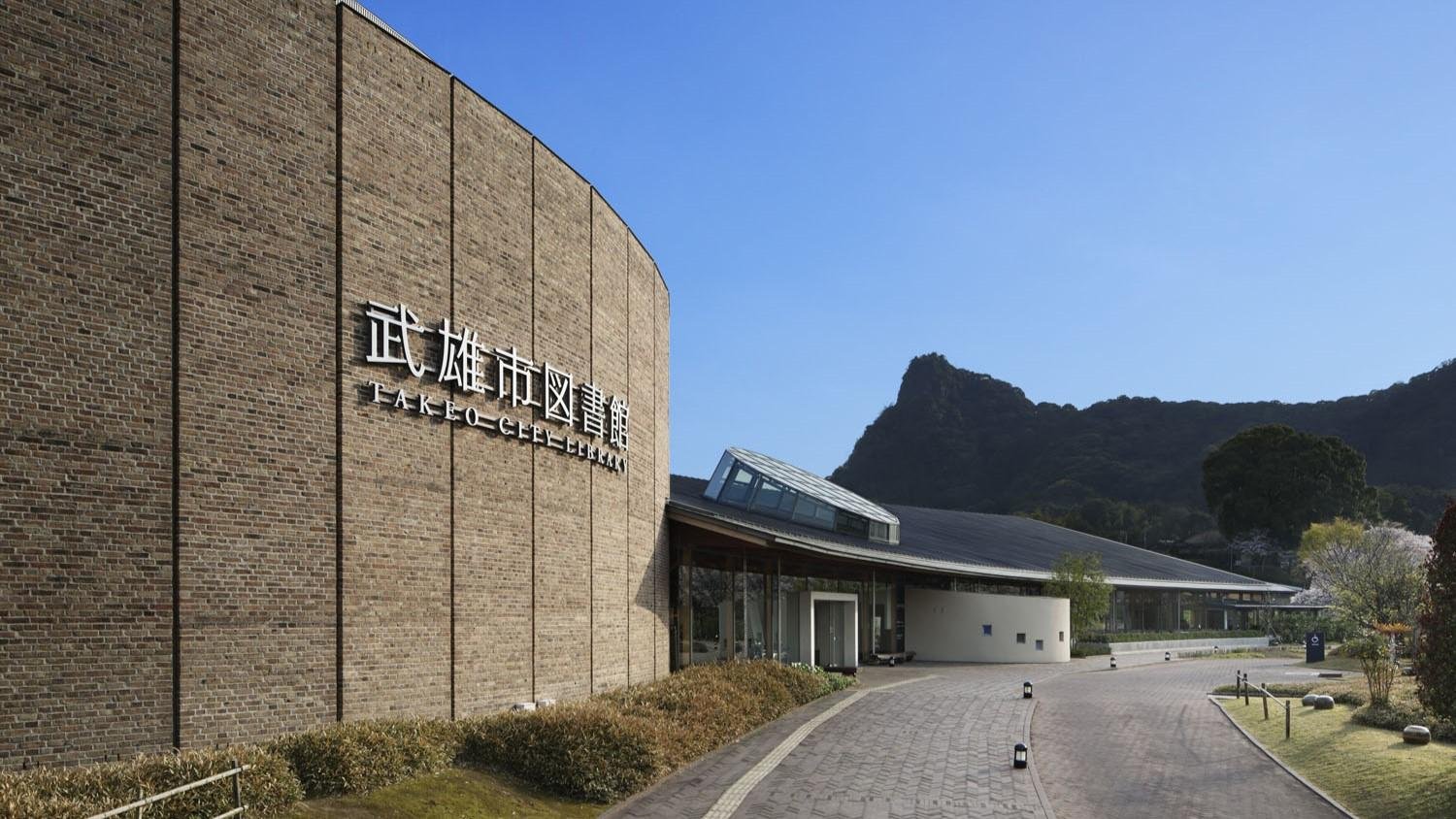

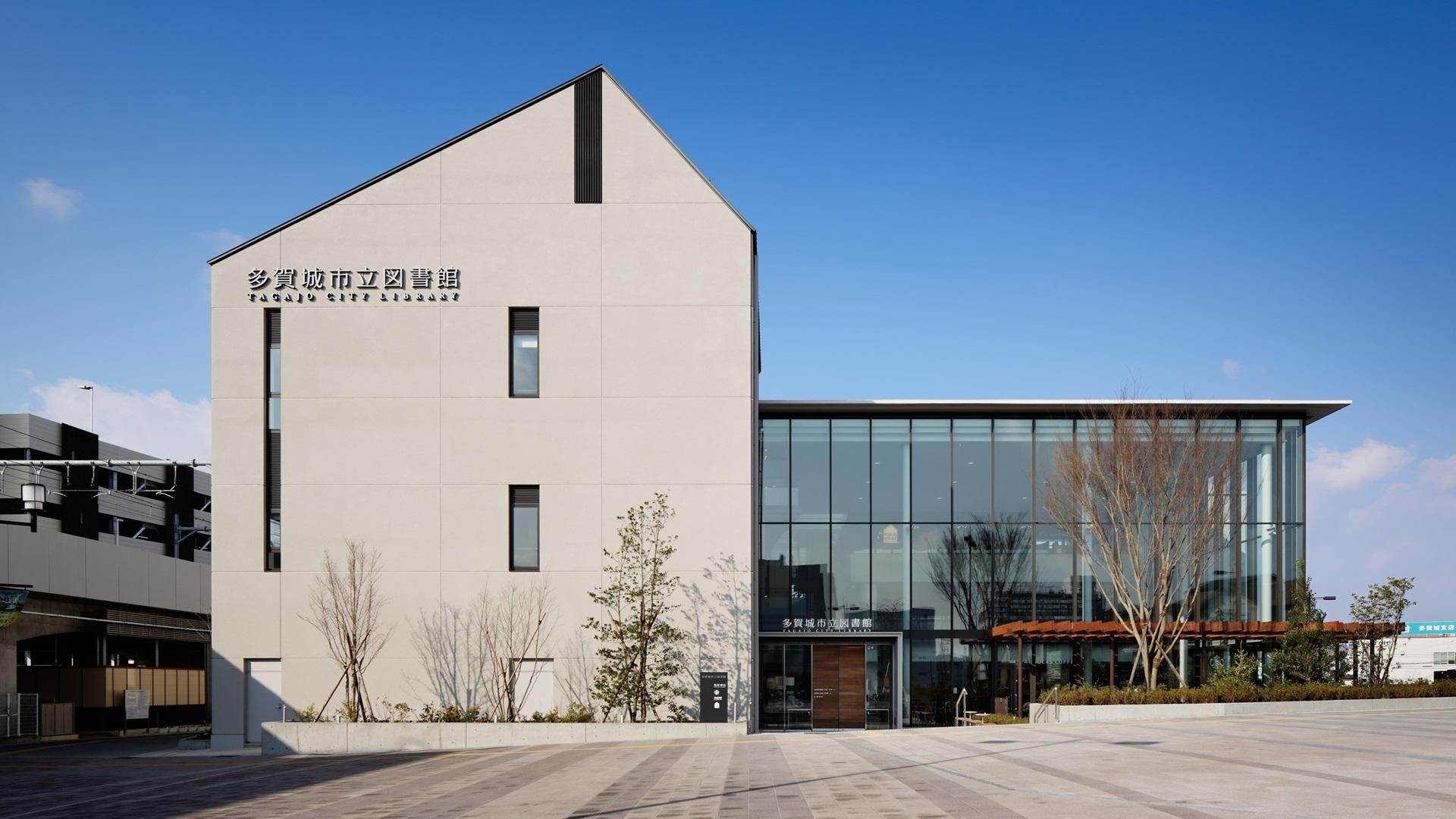
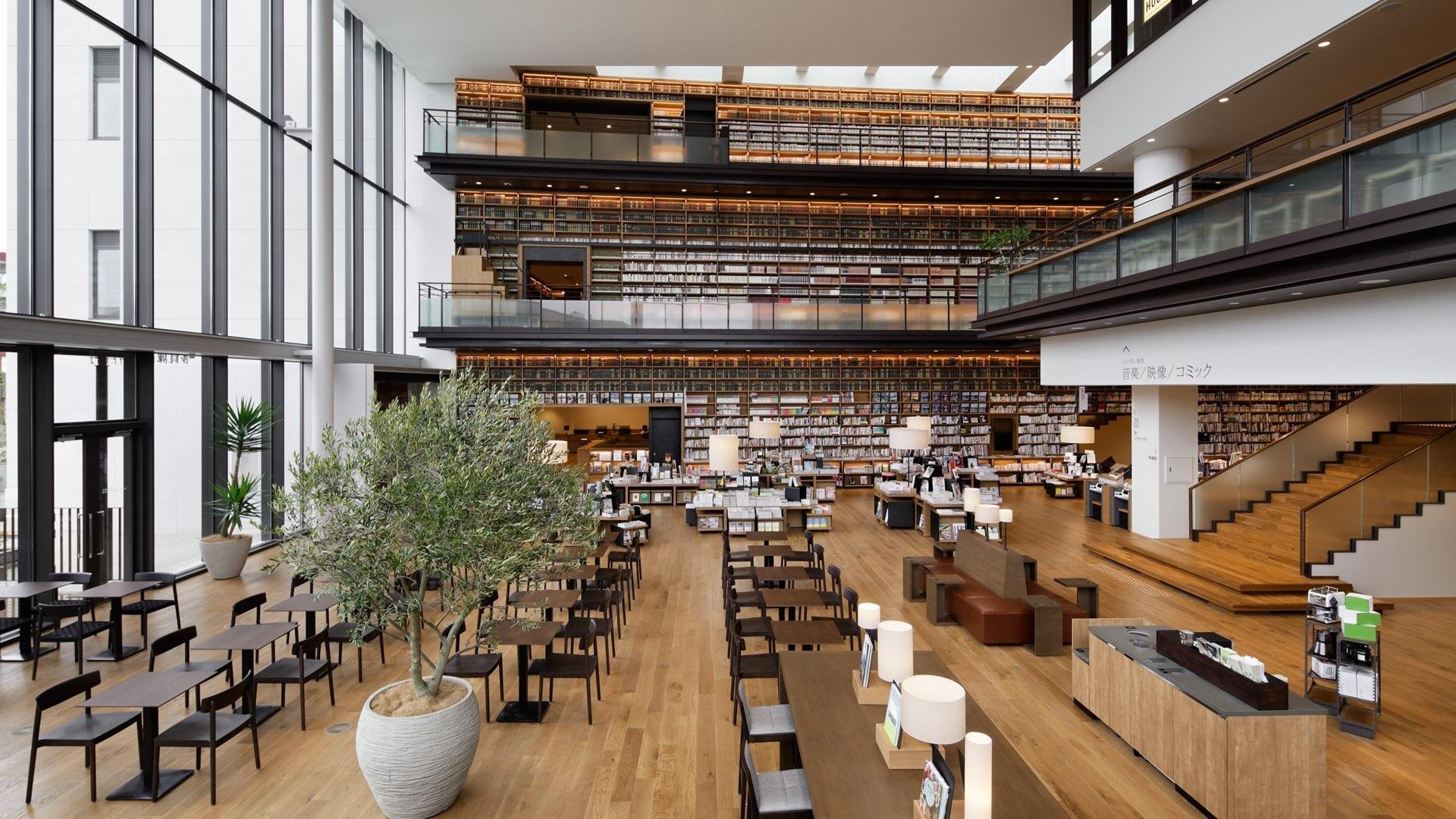
Kumiya: There are many difficult things, but the sense of accomplishment that comes from them is immense. The Tagajo City Library project that I was in charge of was based on a socially significant theme: "Building a facility based on the concept of a 'home' where local residents could gather in a town that was severely damaged by the tsunami on March 11."
In particular, for the event project, we wanted to create opportunities for people to put what they learned from the books into practice, so we met with many citizens and government officials in Tagajo City, Sendai City, and other places, and conducted repeated interviews. During this time, I became friends with the owner of a flower shop at an event, and his child attended the same kindergarten as my child. This has led to the development of ``friendships in the city'' that go beyond the boundaries of work, and it has been a rare experience for me and my family, and I feel it is very rewarding.
--What do you two think is the goal of CCC's public service business?
Kumiya: Since two years ago, we have had the business vision of "Let's all create a future we can choose."By fostering new values through encounters in the local community, we are beginning to create diverse projects. For example, rather than just building new facilities, we would like to realize community-based projects with a wide range of options, such as renovating a community center that has been loved by the local community. We also hope that our employees will use the experience, planning skills, and connections they have gained through public service work to increase their life choices and become active individuals across the country.
Yamamoto: CCC's public service business started with libraries, but we would like to use our knowledge to expand into new forms of public service that are best suited to each community, such as community centers and childcare support facilities, in addition to libraries, in accordance with local issues and needs.
To future colleagues
-Finally, please give a message to your future colleagues!
Kumiya: I think it's an environment where you can work with a spirit of inquiry that is unyielding to anyone, and be particular about one thing, no matter how big or small. I look forward to working with people of all ages who have vitality.
Yamamoto: Because we work on a set timeline from the planning stage to operation after opening, we are able to gain a lot of experience in a short period of time. Another attractive feature is that each person is given a wide range of roles, so they can proactively take on anything without being bound by their own career or job content. Although this is a job with a great deal of responsibility, I hope to be able to think openly about what kind of projects we can come up with to meet the needs of the city, and enjoy working together with the team.
Back to Inside CCC